10 Cool Social Media Ads & How to Recreate Them (2026)
Discover 10 cool social media ads you can recreate. Get formats, examples, and steps for AI influencer, UGC, and faceless video ads that actually work.
Attention on social platforms didn't disappear. It moved to faster, more native formats built for mobile feeds. That shift is tied to scale. Global social media ad spend is projected to reach $317.33 billion in 2026, while another industry estimate puts it at $219 billion, according to New Media social media marketing statistics. The exact estimate varies, but the point is clear. Social is too large, too crowded, and too mobile-first for lazy creative to survive.
Mobile now drives most of the experience. The same New Media roundup of social media marketing statistics notes that mobile devices account for 82.9% of social ad spending globally, and 93.2% of social ad clicks come from mobile. If your ad doesn't read in a thumb-stopping, sound-optional, instant-gratification format, it probably won't earn the next second.
That's why cool social media ads aren't really about being visually impressive. They're about fitting the feed while still carrying a selling message. Short-form video also delivers the highest ROI among video formats at 41%, and TikTok, Instagram, and YouTube together account for over 60% of product discovery, surpassing Google as a discovery channel, again cited in New Media's social media marketing statistics.
The practical takeaway is simple. Teams that win on social don't just produce more ads. They produce more native-looking variations, faster, and they test formats that feel like content first.
Below are 10 replicable formats that work well right now, especially if you're using AI workflows to clone viral videos, build faceless content, and turn trend formats into ads without hiring a full crew.
1. AI Avatar Reaction Videos
Reaction ads work because they borrow an existing behavior people already watch. Shock, laughter, confusion, side-eye, fake outrage. Those emotional cues are familiar, so the ad doesn't have to teach the audience how to consume it.
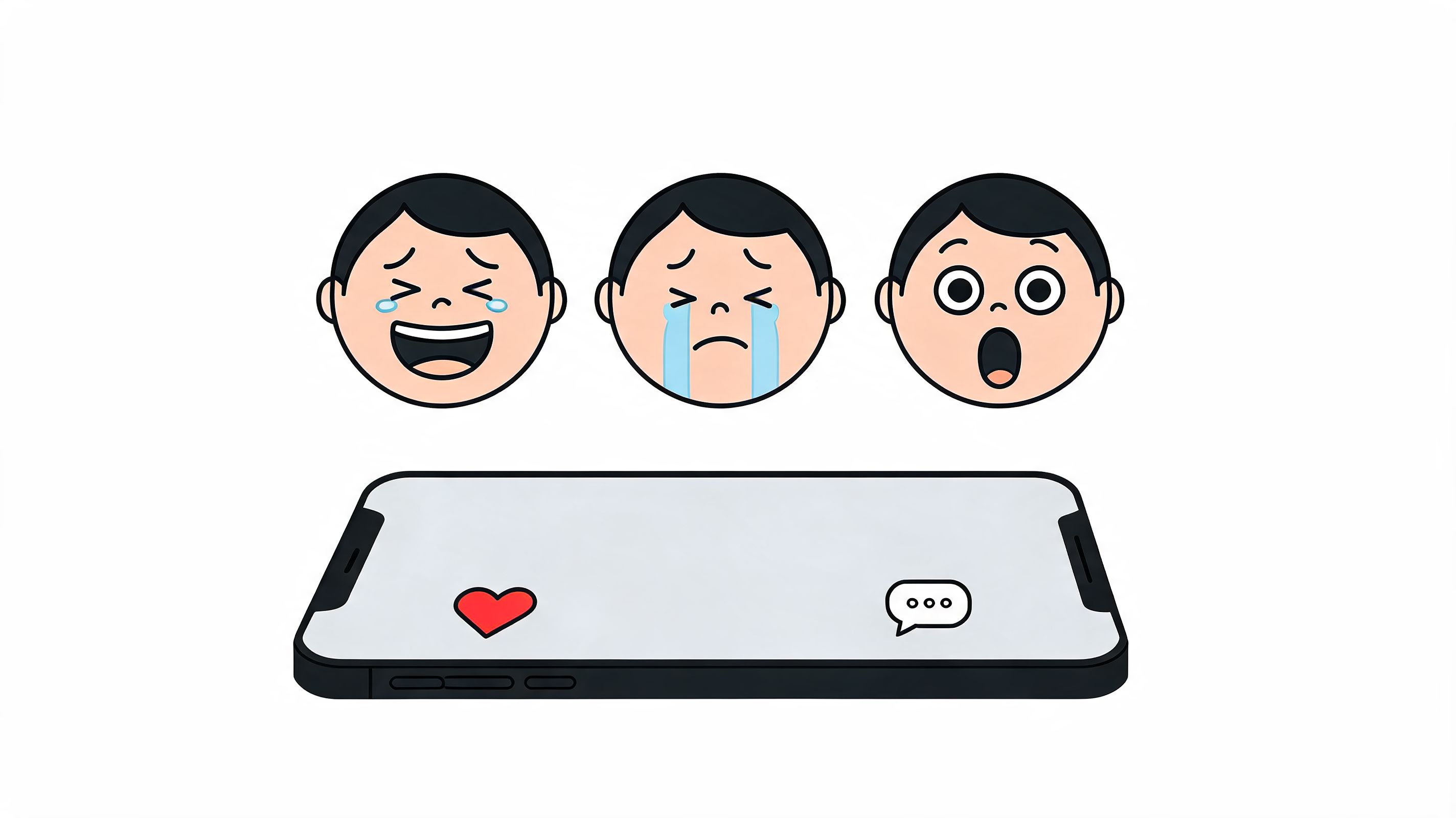
This is one of the cleanest entries into AI-generated cool social media ads. You can take a reaction template, swap in a consistent avatar, and publish fast takes on products, feature drops, memes, or creator commentary. If you want a repeatable system for virtual spokespeople, VidCloner's AI influencer workflows fit naturally here.
What makes it work
A reaction video only needs one clear emotional turn. Start with a recognizable setup, reveal the thing, then hold the reaction long enough for the viewer to project their own opinion onto it.
That can look like:
- Product reveal reactions: An avatar opens a package, freezes, then points to one surprising feature.
- App update reactions: A clone reacts to a new UI, with screen recording layered underneath.
- Trend commentary: A branded avatar responds to a viral post without putting a real founder on camera.
Practical rule: Don't over-script reaction ads. If every line sounds polished, the format breaks.
The trade-off is credibility. If the face looks synthetic and the emotion looks exaggerated, viewers will clock it immediately. Use good source footage, keep cuts tight, and avoid trying to fake hyper-real emotional depth. For brands testing creator-style ads at scale, it's often smarter to start with semi-stylized avatars than chase perfect realism.
If you need reference creators and filming styles before cloning your own versions, it helps to browse Amazon and Instagram content creators and study how simple their strongest hooks really are.
2. Viral Meme Format Recreation
Meme ads work when the audience already understands the joke structure before your product appears. That's what makes them efficient. You don't spend the first five seconds explaining the setup.
This format is strong for product comparisons, lightweight pain-point ads, and feature positioning. Instead of filming from scratch, recreate the format with your own copy, your own visual swaps, and your own CTA. VidCloner's meme remake workflows are built for that kind of adaptation.
Where brands usually mess it up
Most brands treat memes like caption graphics. That misses the point. Good meme ads keep the original rhythm, visual framing, and punchline timing, then redirect the payoff toward the offer.
A few practical uses:
- Comparison ads: The meme chooses between "manual workflow" and "automated workflow."
- Complaint-to-solution ads: The first half dramatizes the pain. The second half inserts the product.
- Tiered offer ads: Different meme panels map to beginner, advanced, and power-user plans.
The biggest trade-off is timing. A meme that's already overused can make the brand feel late. A meme that's too niche can confuse cold traffic. The sweet spot is familiar enough to recognize, specific enough to feel current.
One more thing matters here. Creator-led paid social is still underused even though brands report that creator-led ads outperform polished brand ads on engagement and conversion efficiency, according to Common Thread Collective's social media advertising analysis. Meme recreation works best when it feels like creator behavior, not agency polish.
If the meme requires explanation, skip it. If the meme works with one caption swap, test it.
3. Faceless Product Testimonial Videos
Not every testimonial needs a visible human face. In many categories, especially apps, software, utilities, and impulse-buy products, what matters is the cadence of a believable recommendation and a clear visual proof layer.
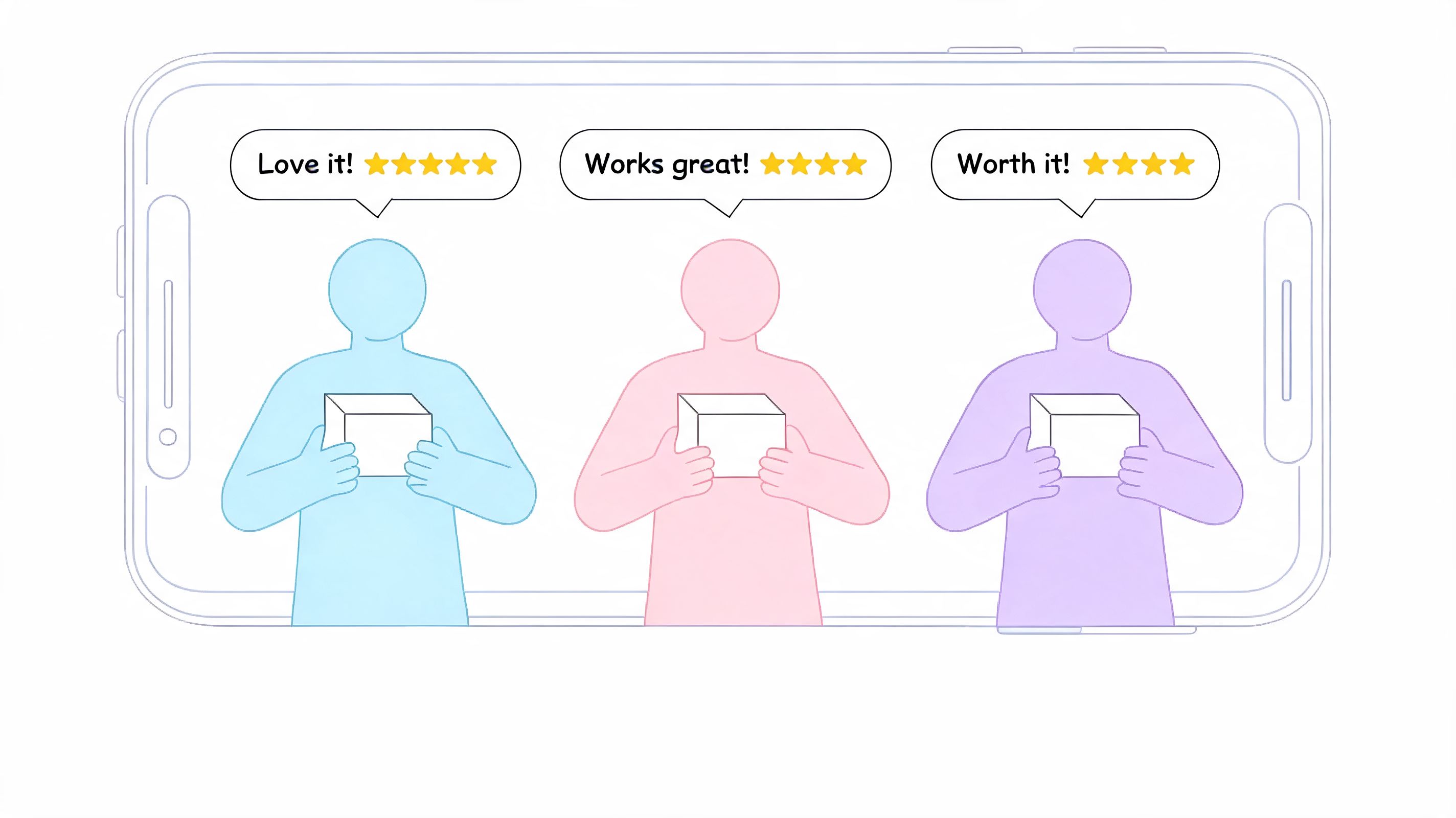
Faceless testimonial ads usually pair voiceover with screen captures, product closeups, scrolling comments, or message-style overlays. If you need a faster path to UGC-style production, VidCloner's UGC video use cases are relevant here.
How to make them believable
The strongest version is specific without sounding fabricated. Instead of broad praise, the speaker names one problem, one moment of hesitation, and one reason they kept using the product.
That structure works for:
- App install ads: "I thought this would be another cluttered tool, but the onboarding took me straight to the part I needed."
- Ecommerce reviews: "I bought it for one use case, but ended up using it daily."
- Service ads: "I didn't want to book a call. The quick setup is what sold me."
The trap is overproduced sincerity. Perfect lighting, perfect cadence, perfect script. That often performs worse than rougher, more native testimonial framing because the audience reads it as ad copy.
Use subtitles. Show the product immediately. Keep the script short. If you're using AI voices or avatars anywhere in the process, be careful with sensitive categories and claims. Believability comes from specificity and framing, not from pretending something synthetic is fully organic.
4. Dance Challenge Avatars
Dance ads sound frivolous until you remember how often movement becomes the hook. A simple repeatable action gives the audience something to imitate, remix, or at least watch through once.
That logic showed up clearly in Chipotle's TikTok challenge. Social Insider reports that the #ChipotleLidFlip campaign generated 111,000 video submissions in the first six days, 104 million views in week one, and 230 million views after one month, along with record-breaking digital sales days, in its social media case study roundup. The useful lesson isn't "make a dance." It's "build around one obvious action tied to the product."
How to adapt the format without looking forced
For most brands, the safer play isn't a full choreography push. It's a lightweight movement cue:
- a package flip
- a hand gesture tied to a feature
- a repeatable on-screen motion
- a timed reveal synced to trending audio
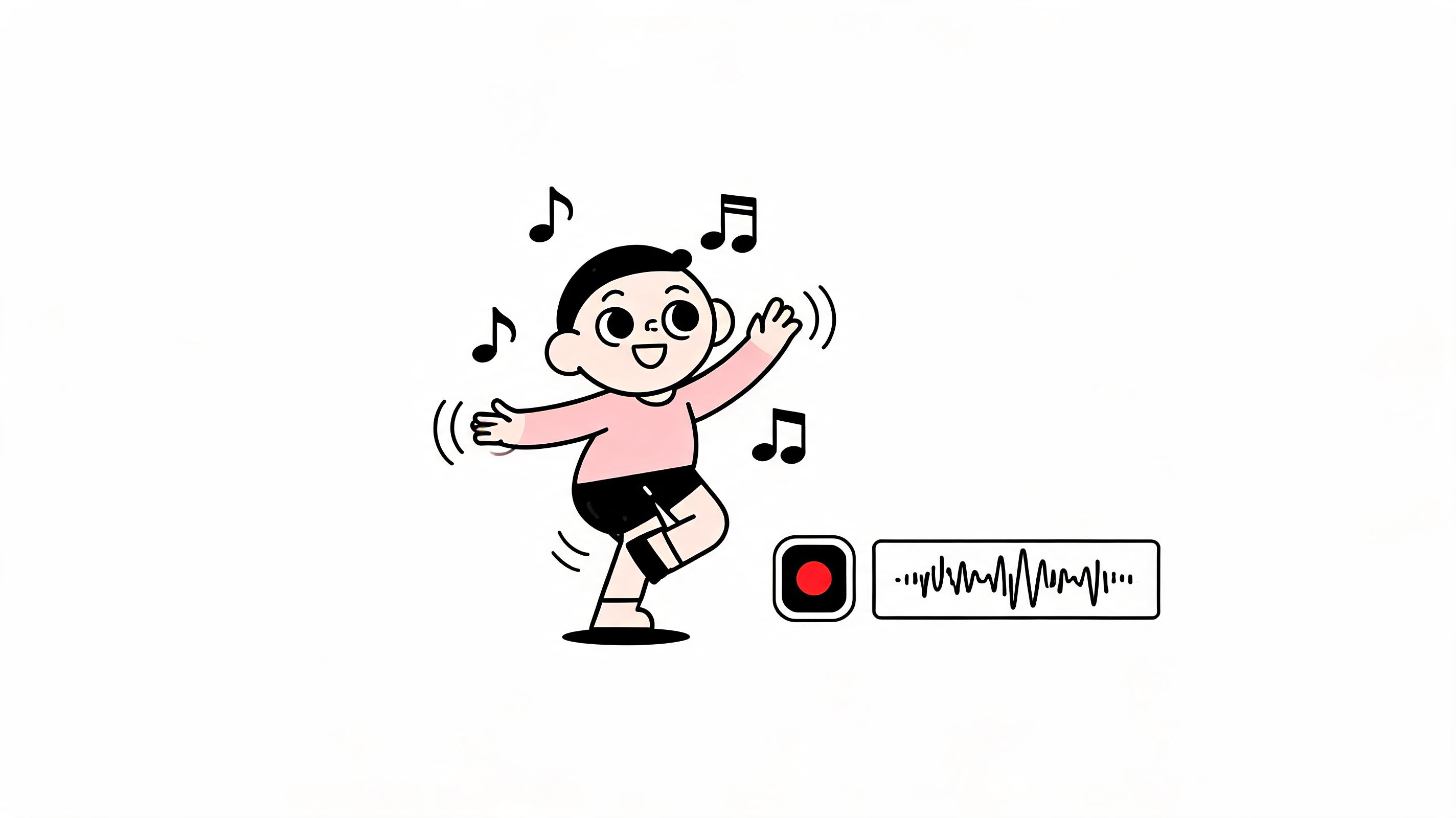
AI avatars help when the team doesn't want to film talent for every variation. You can test multiple visual identities against the same movement format and keep the core mechanic intact.
The trade-off is obvious. Forced participation formats die fast. If the movement has no relationship to the product, viewers feel the ad trying too hard. Tie the action directly to use, opening, transformation, reveal, or ritual. That's what makes a challenge feel native instead of corporate.
5. Trend-Jacking News Event Commentary
Some ads win because they arrive early, not because they're beautiful. Trend commentary is the clearest example. A fast, opinionated, feed-native response to a news event or cultural moment can outperform a polished evergreen creative because it's timely.
This works especially well for entertainment, finance, gaming, creator tools, and consumer apps. The audience is already looking for takes. Your ad just needs to package one in a way that earns the stop.
The right way to move fast
The workflow matters more than the edit. Teams that use this format well keep a simple operating system:
- Track active conversations: Watch trend dashboards, platform trends, and niche community chatter.
- Prepare response templates: Build shell scripts for "hot take," "what this means," and "3 quick reactions."
- Separate opinion from fact: If the event is sensitive, verify details before publishing.
- Publish narrow angles: A specific take beats a broad recap.
AI speed proves useful, but not automatically good. The challenge isn't generating commentary. It's generating commentary that still sounds human and doesn't create platform or compliance problems.
That gap has become more important as teams produce more short-form variants with AI. Recent platform changes and advertiser pressure have pushed more AI-assisted workflows into memes, reactions, faceless explainers, localized swaps, and avatar-led UGC, as discussed in this video on AI-generated social ad workflows.
Fast is useful. Wrong is expensive.
If you run this format, keep an approval lane for anything involving public claims, controversy, or reputational risk.
6. Before After Transformation Videos
Transformation ads still work because they compress the value proposition into one visual contrast. Before is friction. After is relief. Viewers understand the format instantly.
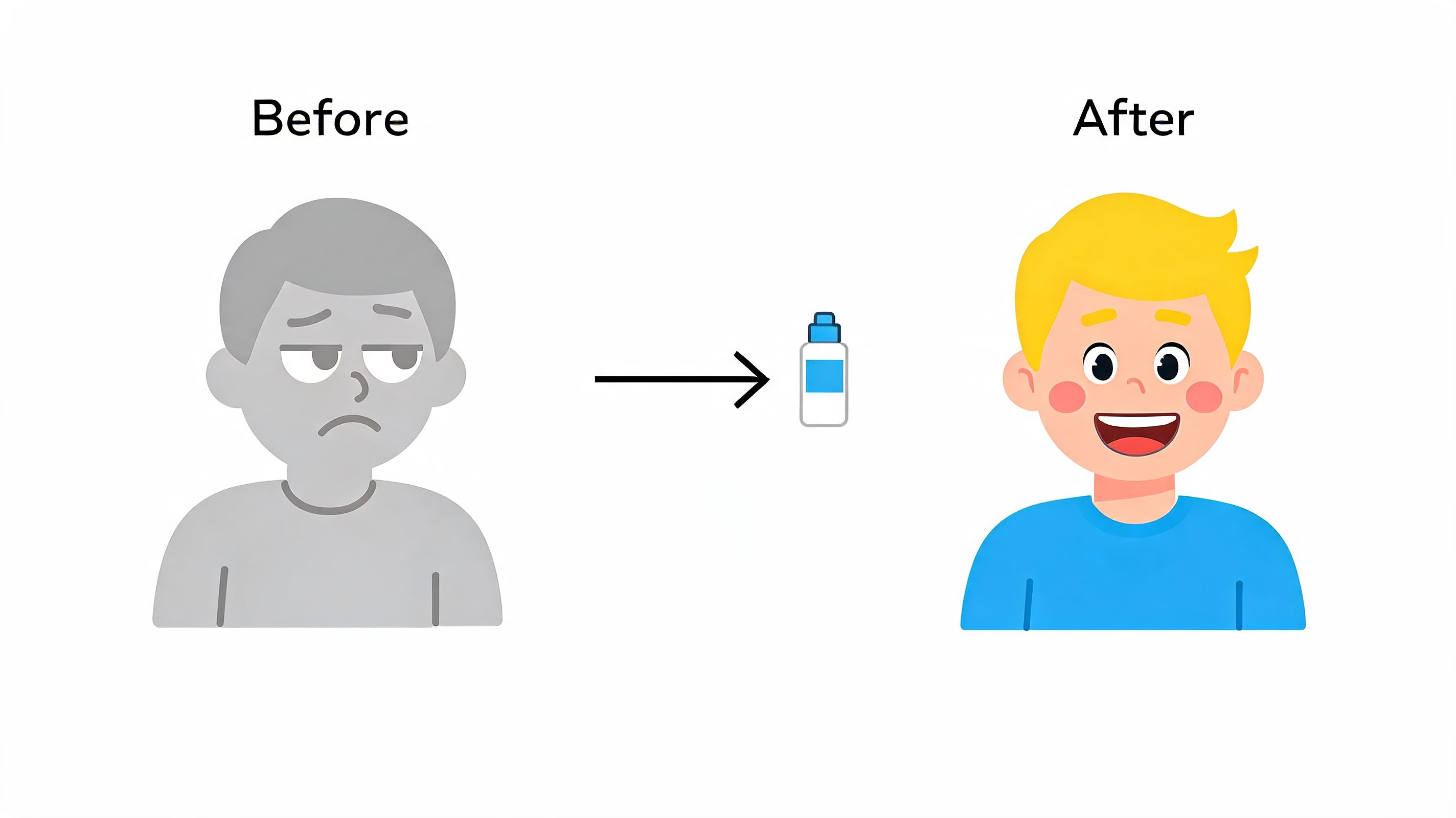
This format isn't limited to skincare or fitness. It works just as well for productivity tools, education products, editing software, budgeting apps, and anything that removes steps from a messy workflow.
What separates strong transformations from weak ones
Weak transformation ads rely on vague improvement. Strong ones show a specific state change:
- cluttered desk to organized setup
- chaotic dashboard to simple workflow
- awkward first draft to polished output
- blank page to published post
You don't need dramatic visual effects. You need a clean contrast and a believable mechanism. Show what changed, why it changed, and what the user did.
The biggest trade-off is trust. Transformation claims become risky when the ad implies guaranteed outcomes or unrealistic physical results. That's where many brands slip. They chase the emotional pull of a dramatic reveal and forget that viewers can smell exaggeration.
A better approach is to frame the transformation around process. Show the "before" pain clearly, then make the "after" feel attainable. For software and creator tools, that often means showing fewer clicks, cleaner output, or easier publishing rather than trying to promise life-changing results.
7. Multi-Platform Lip-Sync and Trend Audio Videos
Audio trends still matter because they carry built-in context. The moment someone recognizes a clip, they understand the emotional frame. Sarcasm, aspiration, frustration, bragging, chaos. The sound does part of the storytelling for you.
This format works for products that benefit from fast emotional framing. Beauty, fashion, creator tools, apps, and impulse e-commerce all fit well. It also works for B2B, but only if the joke or line maps tightly to a real buyer pain point.
Best use cases for cloned audio trends
A few versions tend to perform better than generic lip-sync:
- Voiceover contradiction ads: The audio says one thing while the screen shows the opposite problem.
- Motivational audio remixes: Pair aspirational lines with proof of the product in action.
- Funny dubbing formats: Use a familiar sound to dramatize a common customer objection.
- Team or character variations: Run the same trend with different avatars or audience segments.
The trick is not to let the audio overpower the offer. A lot of trend-based ads get likes and weak buying intent because the brand message arrives too late or feels bolted on.
Keep branding subtle at the start. Put the product in frame early. Use captions because many viewers won't hear the audio at first. Then make sure the final beat lands on one concrete action, benefit, or objection handled. Trend audio can open the door, but the ad still has to sell.
8. Quick-Turnaround Meme Response Videos
This format is different from general meme recreation. Instead of adapting a static meme structure, you're responding to a live moment in video form. Duets, stitches, reaction chains, "my version of this trend," and brand replies all fit here.
The reason it works is social proof through context. You're not publishing into a vacuum. You're entering an active thread of attention.
How to keep response videos from feeling late
Response ads need compression. If they meander, they die.
Use a tight sequence:
- Reference the original fast: The audience should know what you're reacting to immediately.
- Add one new angle: Humor, disagreement, proof, or a product twist.
- Close with a lightweight CTA: Don't hard-sell too early unless the product fit is obvious.
This is one of the best formats for cloning viral videos into ad variants because the source structure already exists. You don't need to invent a concept every time. You need to map your product into a conversation that's already moving.
A practical example: if a creator trend jokes about how long a task takes, a productivity tool can reply with a cloned or remade version showing the faster workflow. If a meme drags a category, a brand can answer by acknowledging the criticism and showing why their version is different.
Short beats polished here. If the response takes too long to make, the opportunity usually passes.
9. Niche Community Content Templates
A lot of cool social media ads fail because they're trying to appeal to everyone. Community templates fix that. They use repeated structures that signal, "this is for people like you."
That could be gamers, runners, anime fans, founders, crypto traders, beauty enthusiasts, language learners, or marketplace sellers. The format matters less than the pattern recognition. Viewers stay because they recognize their own in-group references.
How to build community-native templates
Start with recurring segments instead of one-off creative concepts:
- Weekly reaction format: "What this update means for X community."
- Hot take format: "Unpopular opinion for people who use Y."
- Checklist format: "Three mistakes new X users make."
- Remix format: "This trend, but for Z niche."
The best templates include the language the community already uses. Not marketing language. Real shorthand, jokes, objections, and references. That's why these ads often outperform broad creative even when the production is simple.
Community-specific ads don't need universal appeal. They need immediate relevance.
AI helps with volume, especially if you're adapting the same core structure into multiple niches. But don't automate the voice blindly. If the terminology is off, the audience notices in seconds. For faceless content and cloned viral videos, use AI for speed, then manually tune the wording to the community.
10. Educational Explainer and How-To Series
Not every winning social ad needs to be funny or trend-led. Educational ads often carry the strongest downstream intent because they answer a real question while the product is already on screen.
This is especially effective for SaaS, apps, creator tools, digital products, and onboarding flows. If the product has a learning curve, an explainer ad can do acquisition and activation at the same time.
The format that usually works best
Keep the lesson narrow. One problem. One answer. One next step.
Good examples include:
- how to turn one clip into multiple short-form posts
- how to make faceless UGC-style ads without filming talent
- how to clone viral videos into branded variants
- how to set up an AI influencer for recurring product content
The strongest educational ads don't feel like webinars. They feel like quick wins. The viewer should leave with one useful insight even if they don't click.
Always's #LikeAGirl campaign is a reminder that educational or values-based creative can also scale when the idea is emotionally legible and socially resonant. One case-study summary says the campaign generated over 4 billion image impressions within the first three months, and it expanded through the hashtag plus partnerships with TED and the Girls Scouts of the USA, according to this viral marketing campaign case study collection. Different category, same lesson. Clear narrative framing gives people a reason to share, not just watch.
If you're building an explainer series, keep the same voice, same structure, and same visual cadence across episodes. Consistency is what turns one useful ad into a durable content engine.
Comparison of 10 Cool Social Ad Formats
| Format | Implementation Complexity | Resource Requirements | Expected Outcomes | Ideal Use Cases | Key Advantages |
|---|---|---|---|---|---|
| AI Avatar Reaction Videos | Low–Medium, template-driven | Minimal filming; high‑quality source templates; avatar assets | Fast, scalable reaction content; moderate perceived authenticity | UGC-style product reviews, Shorts/TikTok trend responses | Quick iteration, privacy, consistent brand voice, low production cost |
| Viral Meme Format Recreation | Low, template recreation | Meme templates, captioning tools, trend monitoring | High short-term engagement, rapid virality potential | Meme pages, humor marketing, quick social posts | Fast turnaround, infinite variations, high shareability |
| Faceless Product Testimonial Videos | Medium, scripting and persona tuning | Script writers, avatar demographic customization, legal review | Scalable testimonial library, consistent messaging, possible trust issues | App store promos, e‑commerce reviews, SaaS benefit videos | Scalable at low cost, A/B testing, quality control |
| Dance Challenge Avatars | Medium–High, motion & sync work | High‑quality dance source, choreography mapping, audio sync | Visibility on dance platforms, risk of unnatural movement | TikTok/Reels dance challenges, branded viral stunts | Participate without dancers, scalable challenge entries |
| Trend-Jacking News/Event Commentary | Medium, rapid creation & checks | Trend monitoring, fast scripting, fact‑checking | Immediate topical engagement, short content lifespan | News commentary, entertainment takes, gaming/event reactions | Timeliness, capture trending search traffic, authority building |
| Before/After Transformation Videos | Medium, results visualization & compliance | Realistic data/images, careful scripting, regulatory checks | High conversion potential if credible; skepticism risk | Fitness, skincare, product demos, SaaS feature comparisons | Compelling visual proof, scalable scenarios, high conversion |
| Multi-Platform Lip-Sync & Trend Audio Videos | Medium, precise audio sync | Trending audio sources, clear lip-source footage, sync tools | Good reach on audio-driven platforms; fast trend adoption | TikTok audio trends, Reels, dubbing and voice-over memes | Join audio trends without recording, multi-platform-ready |
| Quick-Turnaround Meme Response Videos | Low–Medium, fast turnaround focus | Templates, trend alerts, rapid editing setup | Fast engagement and algorithmic boost; timing-critical | Meme accounts, brand reaction posts, trend replies | Speed to publish, video outperforms static, scalable responses |
| Niche Community Content Templates | Medium, requires community insight | Community research, template library, avatar tuning | Sustained audience loyalty, repeatable publishing cadence | Gaming clips, fitness tip series, crypto updates, anime discussions | Consistency, lower production burden, tailored messaging |
| Educational Explainer & How‑To Series | Medium–High, instructional design needed | Scripted curricula, screen/share or animation assets, course structuring | Scalable learning modules and onboarding; credibility tied to quality | App onboarding, SaaS tutorials, online course series | Consistent instructor presence, repeatable modules, cost-effective |
Your Blueprint for High-Impact Social Ads
The common thread across these formats isn't aesthetics. It's usability. Each one gives you a repeatable way to make cool social media ads that fit how people already consume content on TikTok, Reels, Shorts, and paid social placements.
That matters more now because production expectations changed. Brands need more variants, more hooks, more creator-style angles, and more niche versions of the same basic message. The old workflow was concept, shoot, edit, approve, launch. That still works for flagship campaigns, but it doesn't work well for fast-moving feeds where creative fatigue shows up quickly.
A better system looks like this:
- pick a small set of formats you can repeat
- build template scripts for each format
- map each format to one audience pain point
- produce several versions with different hooks
- cut weak variants fast and keep the winners in rotation
That's the difference between chasing trends and operating a content engine. One approach depends on lucky hits. The other creates enough relevant surface area to find winners consistently.
There's also a trust layer you can't ignore. Native-looking ads work because they feel close to organic content, but the closer you get to that line, the more important clarity becomes. If you're using avatars, cloned videos, or AI-assisted UGC automation, keep the message honest. Don't fake proof. Don't overstate outcomes. Don't use realism as a substitute for relevance.
For teams trying to scale without a full production crew, AI can help in very practical ways. It can shorten iteration cycles, let you test more visual identities, and make it easier to remake trend structures that would otherwise require new shoots. That's the core operational gain. If you want a broader view of how teams are applying these workflows, this AI for social media marketing guide is a useful companion read.
VidCloner fits into that workflow as one option for cloning viral videos and remaking short-form formats with AI avatars. Used well, tools like that don't replace strategy. They reduce the friction between idea and test.
The brands that keep winning won't be the ones with the prettiest ads. They'll be the ones with the fastest repeatable system for making relevant ones.
If you want to turn viral formats into your own platform-ready ads without filming every variation yourself, VidCloner is built for that workflow. You can clone reaction videos, remake meme formats, create faceless UGC-style content, and test new short-form concepts faster than a traditional shoot cycle allows.