10 Video Advertising Examples That Convert (2026)
See 10 top video advertising examples you can clone with AI. Our guide breaks down UGC, faceless, and meme ads for max performance.
Video advertising is no longer a side channel. It is one of the main channels. Digital video ad revenue grew 19.2% from 2023 to 2024 to reach $62.1 billion and represented 24% of total ad revenue, according to Siege Media’s roundup of video marketing statistics. That matters for one reason: The formats are mature enough that you do not need to invent your ad strategy from scratch.
Most brands do exactly that.
They brief a new concept, shoot a polished video, add a weak hook, and hope media buying saves it. It does not. Strong video ads come from repeatable structures: reactions, demos, comparisons, testimonials, trend remakes, and other formats that already match how people consume content on TikTok, Reels, Shorts, and paid social feeds.
That is the practical angle behind this guide.
These are not video advertising examples to admire. They are templates you can rebuild. Each one has a job. Some earn attention fast. Some reduce skepticism. Some explain the product before the viewer bounces. Some create enough familiarity that a cold audience stops scrolling and gives you a chance.
That is where AI video workflows get useful. If you can clone a format instead of reinventing a concept, you can test more hooks, more avatars, more emotional tones, and more offers without booking talent every time. For short-form teams, that changes the economics of creative testing. For solo creators, it removes the need to be on camera at all.
Use the list below like a production playbook. Find the format that matches your product, your audience, and the stage of the funnel you need to fix. Then build versions, not one-offs.
1. User-Generated Content UGC reaction videos
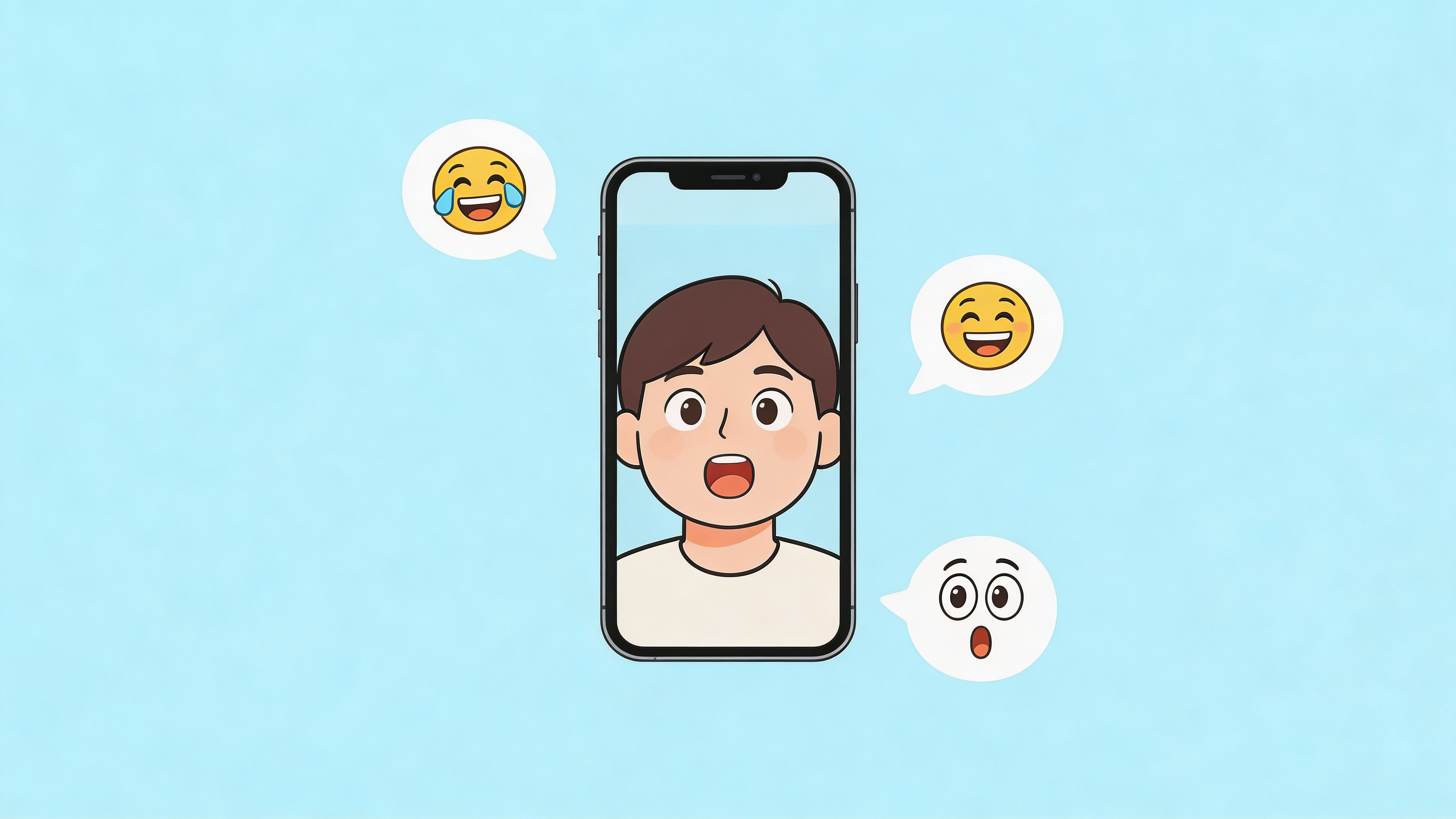
Reaction ads work because they borrow the grammar of native social content. The viewer does not feel like they are watching a brand presentation. They feel like they are watching someone respond to something worth noticing.
That difference matters most in cold traffic.
A good UGC reaction ad has four beats. The face appears immediately. The emotional cue lands fast. The product or feature reveal creates context. Then the creator either validates the reaction or pushes a simple CTA.
How to build this format
For a mobile game, open on disbelief after a surprising level win. For a skincare product, open on a visible texture or unboxing moment. For SaaS, use a “wait, it does that?” setup around one feature, not the whole product.
A common mistake is over-scripting the emotion. Forced surprise looks fake in under a second. A better approach is to produce several emotional versions: excited, skeptical, impressed, relieved.
If you want to scale that without filming every variation, tools built for UGC-style video creation help you remake the same structure with different avatars and reaction styles.
Test the reveal timing first. In reaction ads, the exact second the product appears matters more than the wording of the CTA.
What works and what does not
What works:
- Fast facial signal: The expression should communicate the mood before the copy does.
- Single outcome: Show one reaction to one benefit.
- Native edit rhythm: Hard cuts, captions, quick punch-in zooms.
What fails:
- Long setup: If the viewer waits too long to understand what caused the reaction, they leave.
- Brand-heavy opening: Logos and intros kill the illusion of authenticity.
- Too much explanation: Reaction ads sell curiosity first, details second.
This format is strong when launching an app update, pushing impulse-friendly DTC products, or promoting a feature people can understand instantly.
2. Dance challenge and trend-jacking videos
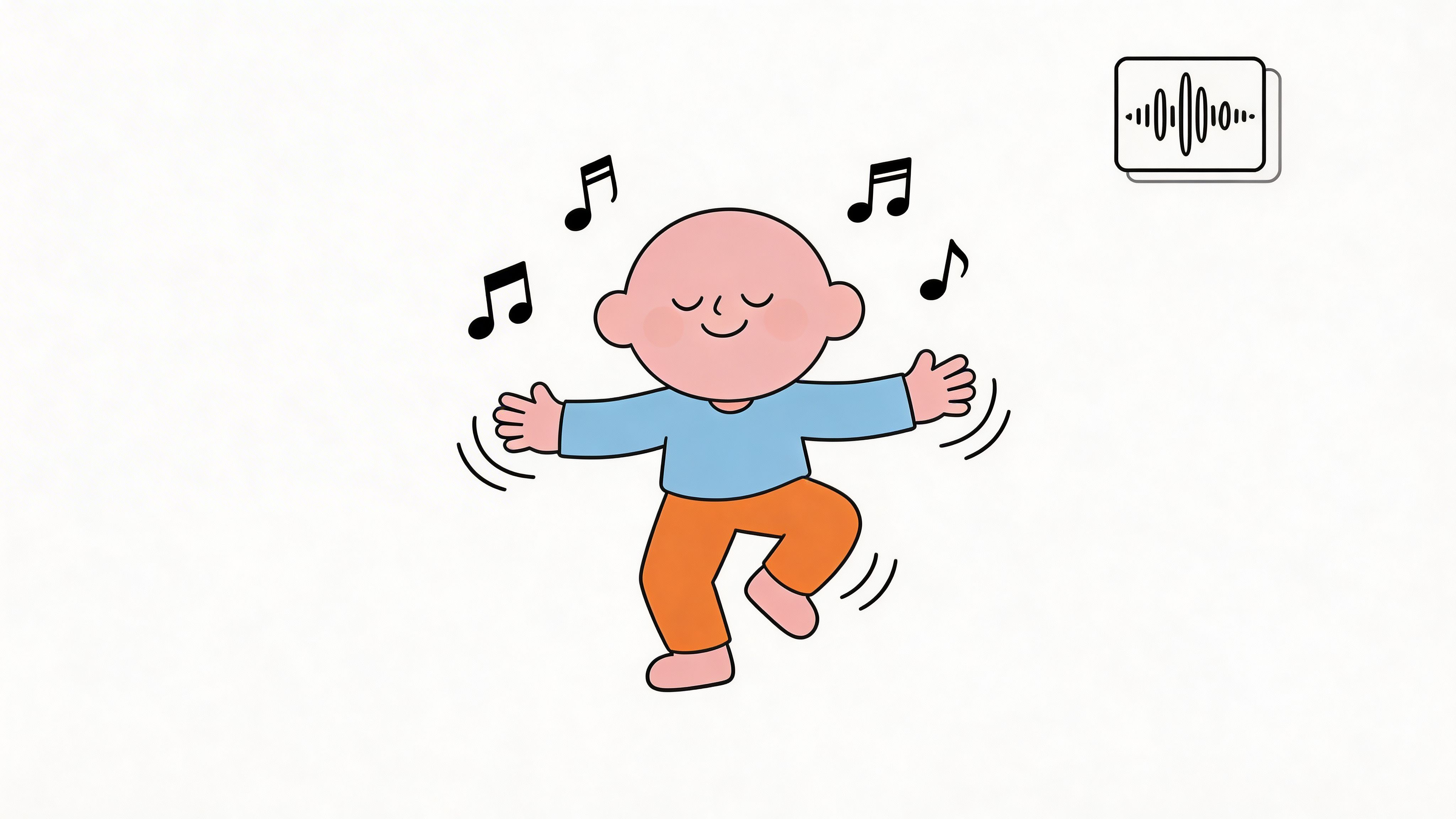
Trend-led ads are timing games. If you join too late, the content feels stale. If you force the product into the trend, the post looks like an ad wearing a costume.
The best dance challenge ads keep the trend intact and sneak the brand into the environment. Think clothing reveal transitions for fashion, pre-workout energy moments for fitness apps, or dance meme participation for gaming communities.
The production rule
Do not build these from a quarterly content calendar. Build them from daily monitoring.
A trend-jack workflow needs:
- Trend detection: Watch rising sounds and repeated visual formats.
- Fast remake cycle: Produce while the format feels current.
- Light branding: Add product cues without interrupting the trend.
For creators who want to participate without filming themselves, dance video remakes make this format practical. That is useful if the goal is speed, privacy, or output volume.
Real trade-offs
Dance ads can get reach quickly, but they are weaker when the offer needs explanation. They are top-of-funnel formats first.
That makes them better for:
- Cosmetics with visual reveals
- Fashion drops
- Gaming communities
- Fitness or lifestyle apps
They are worse for:
- Complex B2B products
- Expensive purchases with long sales cycles
- Products that need proof before interest
The other trade-off is shelf life. These videos expire faster than tutorials or testimonials. Treat them like tactical creative, not evergreen assets.
A practical way to use them is as your first touch. Let the trend earn attention, then retarget engaged viewers with a clearer product story in another format.
3. Meme format and niche content remakes
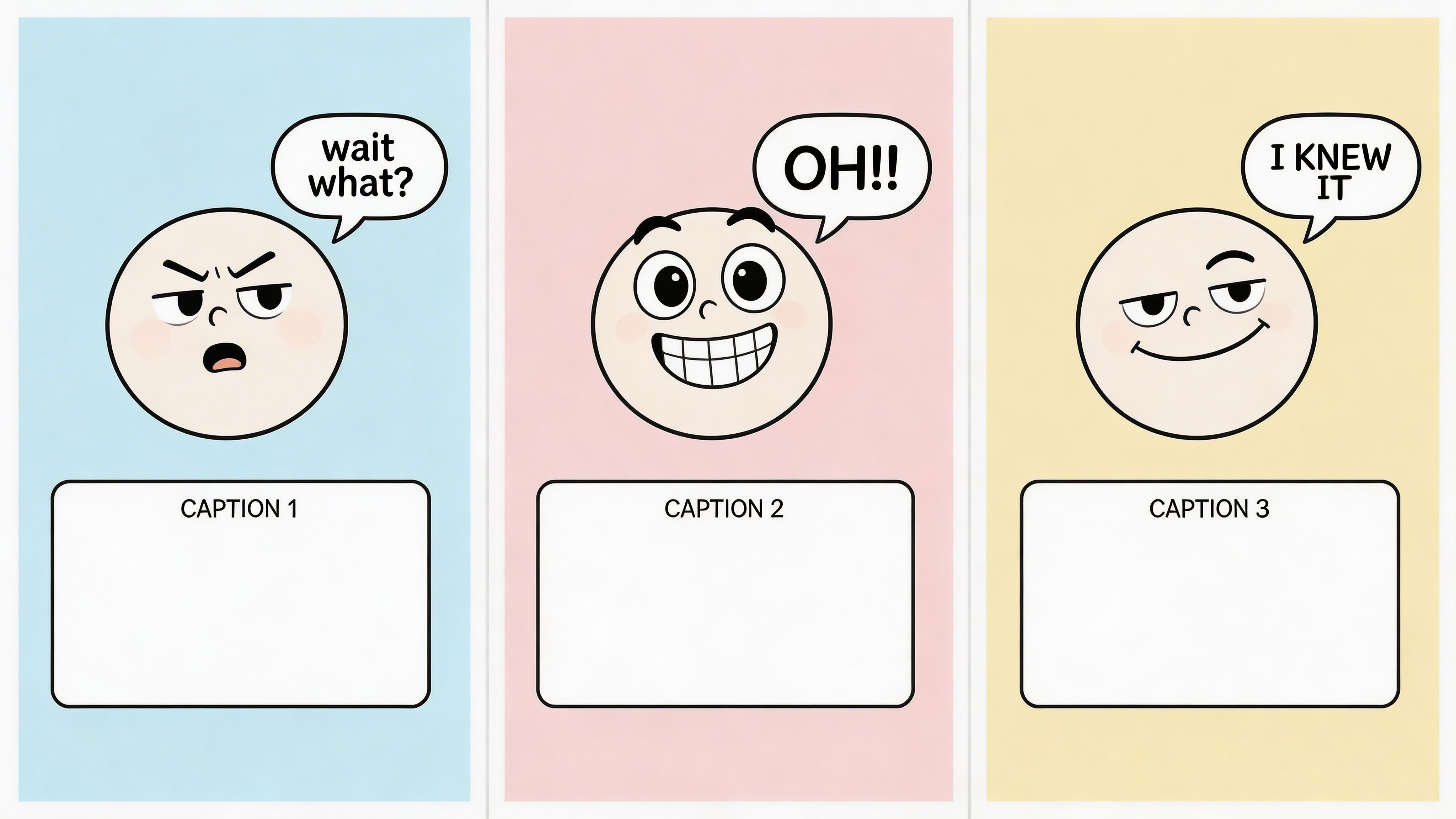
Meme ads win when the audience already knows the joke format. You are not teaching them how to watch. You are dropping your product into a structure they understand instantly.
That lowers resistance. It makes the ad feel less polished and less corporate, which is often why it performs.
Where meme ads are underrated
For SaaS, meme remakes are strong for objection handling. A “before vs after” joke can explain a feature faster than a polished explainer. For DTC, memes are great for calling out a frustration the buyer already feels. For app growth, they work well when the product solves a highly recognizable habit or annoyance.
There is a gap here. Existing examples of video advertising lean heavily toward polished brand campaigns, while practical guidance on cloning viral short-form meme formats with AI avatars remains thin. The DVI Group’s discussion of strong video ad examples highlights that gap around accessible, creator-style execution.
If your workflow includes remaking niche formats without going on camera, meme-focused video workflows fit here.
Build the joke around the pain point
A reliable structure looks like this:
- Known template: Use a meme structure your audience already recognizes.
- Specific pain: Name one annoying moment, not a broad category problem.
- Product turn: Let the product become the punchline or solution.
- Short copy: If the viewer has to read too much, the joke dies.
What does not work is lazy template stuffing. If you paste your brand into a popular meme, it feels borrowed. If you map the meme to a real customer frustration, it feels sharp.
Meme ads are good low-risk tests. They are cheap to produce, easy to version, and useful for message discovery before you invest in more polished creative.
4. Testimonial and social proof videos
Testimonial ads still convert for one reason. They reduce perceived risk faster than almost any other format.
Short-form makes that more obvious, not less. In the aggregated stats summarized by Sparkhouse on the power of video ads, testimonial-style content ranks among the most commonly used video formats at 60%.
The winning version is not a customer saying the product is great. It is a customer describing a before-and-after the viewer wants for themselves. While seeing someone happy with a product helps, the primary conversion driver is when a potential customer recognizes their own use case in another's story.
What a strong testimonial says
Weak testimonial: “I love it. It’s amazing.”
Strong testimonial: “I used it when I needed to do X, and it fixed Y.”
That line works because it maps to intent. Good testimonial creative answers the question running through the viewer’s head: “Will this work for my situation?”
For a finance app, the better story is “I kept overdrafting because I could not see where small purchases were going, and this helped me catch it in one week.” For a beauty product, it is “I needed something I could use in a five-minute morning routine.” For SaaS, it is “Our team stopped chasing updates across three tools.”
How to build testimonial ads that feel real
- Cast for recognition: The person on screen should match the buyer segment you want to convert.
- Open on the problem: Start with the friction, failed workaround, or objection.
- Show proof on screen: Use product footage, interface actions, order screenshots, routine clips, or result visuals.
- Keep one claim per video: Price, speed, ease of use, and results should usually live in separate variants.
- Cut courtesy language: Remove filler like “I just wanted to say” or “I was skeptical at first” unless it adds credibility.
This format is easier to fake than to get right. Over-script it and viewers feel the performance. Under-structure it and the ad turns into vague praise with no selling point.
The practical fix is to build a testimonial matrix around objections. Make one version for setup time. One for trust. One for cost. One for outcome speed. Then match each video to the audience or retargeting stage.
You do not need a founder on camera or a paid actor to do this well. A creator clip, AI avatar, voiceover over screen recordings, or a stitched customer review can all work if the story is specific and the proof is visible. That is the larger play with social proof ads. You are not collecting compliments. You are packaging believable use cases into repeatable creative angles.
5. Educational and tutorial short-form videos
Tutorial ads earn attention by giving the viewer a usable win fast. For products that need explanation, this makes them one of the safest formats to produce.
They also adapt well to AI-led production. A screen recording, synthetic voiceover, on-screen text, and a tight script can outperform a polished creator spot if the lesson is specific and the outcome is obvious. You do not need a face on camera to make this work.
Analysts at Sparkhouse reported that education content led their aggregated video benchmarks with a 46% play rate in their video marketing statistics roundup: https://www.sparkhouse.com/video-marketing-statistics/
How to structure the lesson
Build the ad around one task, not the whole product. Show the viewer how to do one useful thing, then let the CTA carry them to the next step.
A simple framework:
- Problem in one sentence
- Product action on screen
- Immediate outcome
- CTA tied to the use case
For example:
- A productivity tool shows how to turn notes into tasks.
- A skincare brand shows when to apply one product in the routine.
- A fintech app shows one budgeting action inside the interface.
The common failure is over-teaching. Short-form tutorials break when the script tries to explain features, benefits, setup, edge cases, and brand story in one pass. Pick one job to be done and cut everything else.
A working example of short-form instructional pacing looks like this:
Why this format keeps converting
Tutorials hold up because they reduce uncertainty before the click. The viewer sees the action, the result, and where the product fits in their routine. That makes this format especially effective for SaaS, mobile apps, workflow tools, and any offer that looks easier once it is demonstrated.
Use captions aggressively. Sparkhouse also notes in the same research roundup that captioned video use has increased sharply year over year, which matches how mobile feeds behave in practice: https://www.sparkhouse.com/video-marketing-statistics/
If the ad only works with sound on, the build is weak.
The practical play is to turn your product into a tutorial library. Script 10 to 20 micro-lessons around real user intent, then produce variants with AI voice, avatar, or faceless screen-led edits. That is how brands stop treating educational ads like one-off explainers and start cloning a repeatable format.
6. Behind-the-scenes BTS and day-in-the-life content
Behind-the-scenes content works because it answers an unspoken question: “Is this brand real?”
That sounds soft, but it matters. Audiences want proof that a product exists in daily use, not in ad copy. BTS and day-in-the-life formats create that proof by showing routine, process, people, or product handling.
Best use cases
This format works well for:
- Founders selling a story alongside the product
- DTC brands with a visual production process
- Creator tools that fit into a daily workflow
- Team-led brands that want more human texture
For example, a startup can show how a feature request becomes a release. A coffee brand can show packaging and shipping moments. A solo creator can show a faceless “day using my stack” sequence with screen recordings and voiceover.
The trade-off with authenticity
BTS is easy to fake badly.
The common mistake is polishing it too much. If the “behind-the-scenes” footage looks staged like a commercial, the audience reads it as a commercial. The point is not low quality. The point is believable access.
A practical structure:
- Open in the middle of action
- Show process, not finished output
- Include friction or decision points
- Tie the routine back to product value
For brands using AI avatars or cloned creators, this format can work if the environment feels grounded. A faceless workflow video, desktop walkthrough, or narrated routine can carry the same function without pretending to be raw footage from a handheld phone.
The strongest BTS ads are not glamorous. They are credible. They help the viewer picture the people and process behind the purchase.
7. Comparison and product positioning videos
Comparison ads win late in the funnel because they reduce a messy buying decision to one clear reason to choose you. This is one of the easiest formats to systemize with AI, too. You do not need a founder on camera or a custom shoot. Screen recordings, product UI captures, stock footage, AI voiceover, kinetic text, and simple side-by-side edits are enough if the positioning is sharp.
The job is simple. Make the buyer say, "This fits me better."
That means the comparison has to stay narrow. Do not try to prove your product is better at everything. Pick one buying criterion that changes conversion, then build the whole video around it.
Good comparison angles include:
- Setup time
- Number of steps
- Interface clarity
- Feature access by plan
- Use-case fit
- Total tool sprawl
- Pricing structure, if the claim is easy to verify
The trade-off is credibility. Direct competitor callouts can work, but they create legal review, invite pushback, and often trigger defensive reactions from buyers. In practice, positioning against a category frame is usually stronger and easier to scale across variants.
Examples:
- "All-in-one workspace vs stitched-together tool stack"
- "Done in 10 minutes vs done after setup"
- "Built for operators vs built for admins"
- "Made for daily use vs used once a quarter"
Video gives this format an edge because the viewer can process the difference in seconds. Sparkhouse's roundup on video marketing notes that viewers retain up to 95% of a message in video, compared with 10% in text, according to the source it cites: https://www.sparkhouse.com/blog/video-marketing-statistics/. That matters for positioning ads because the goal is not to explain everything. The goal is to plant one memorable frame the buyer repeats later.
A practical build looks like this:
- Open on the decision point
- Put both options on screen fast
- Highlight one visible difference
- State the positioning in one sentence
- Close with a low-friction CTA
For AI-assisted production, clone this format by turning landing page copy, reviews, Reddit objections, and competitor pricing pages into scripts. Then render three to five variants with different hooks, such as "too many tools," "too hard to start," or "too expensive for the value." The editing is the easy part. Choosing the right comparison axis is what makes the ad convert.
This format works best in mature categories where buyers already understand the basics. If the market still needs education, tutorial or explainer structures usually outperform pure comparison. Keep the tone calm and specific. Clear positioning beats a loud takedown.
8. Faceless comedy and satirical brand videos
Comedy ads get shared for a different reason than tutorial or testimonial ads. They earn distribution before they earn intent.
That can be a good trade if your category is crowded and forgettable. Humor gives you a way to enter the feed without looking like every other performance ad in the niche.
Why faceless comedy works
You do not need a charismatic founder on camera to make comedy work. Voiceover, captions, memes, stock footage, screen recordings, AI avatars, and visual exaggeration can carry the joke well.
This format is strong for:
- Apps with familiar frustrations
- Consumer products with absurd use cases
- Boring categories that need personality
- Meme pages monetizing with soft-sell offers
The joke comes from one of three places:
- A painfully relatable problem
- An exaggerated product use case
- A parody of category clichés
What to avoid
Faceless comedy fails when the brand message arrives too early. If the viewer senses the sales pitch before the joke lands, the ad collapses.
Use a simple rule: The entertainment has to work even if the viewer never clicks.
This makes comedy one of the better formats for creator-style ad accounts that want to build an audience, not buy conversions. If a joke format becomes repeatable, you can turn it into a series and layer products into the narrative later.
One caution: Satire is harder to control than tutorial content. Test it with smaller spend first. Some humor styles attract the wrong kind of engagement and weak purchase intent. Funny is not enough. Relevant funny is what pays.
9. Carousel and multi-part series videos
Single ads can convert. Series build memory.
That is the appeal of multi-part video campaigns. Instead of forcing the whole story into one asset, you spread it across a few short posts or ad variations. One opens the loop. Another adds context. Another pays it off.
Where series beat one-off ads
This format works well when:
- The product has multiple features worth isolating
- The customer journey has stages
- The story includes a transformation
- The brand wants repeat exposure without repeating the same creative
A seven-day habit app is a simple example. Each video can show one daily action. A SaaS product can break one feature into separate use-case clips. A skincare brand can show day, night, and weekly routine roles without overloading one ad.
A better structure than “Part 1, Part 2, Part 3”
Do not rely on numbering alone. Viewers encounter episodes out of order. Each video should stand on its own while rewarding repeat viewing.
That means every part needs:
- A fresh hook
- One clear takeaway
- A visual callback or repeated phrase
- A CTA that makes sense independently
The best reason to use a series is creative iteration. You are not only telling a longer story. You are learning which angle holds attention. If one part starts outperforming, you can spin that angle into more standalone ads.
This format supports retargeting well. Someone who watched the first clip can receive a second one with more product detail, then a third with proof or urgency.
10. Influencer collaboration and avatar duet videos
Collaboration ads borrow trust. Duet-style ads add a layer of social proof because the format itself feels conversational.
That makes them useful when your brand wants creator energy without building every asset from zero.
A real example of personalization
Personalized video can dramatically improve attention when the content feels made for the viewer. In a San Antonio Spurs campaign using Gan.AI’s Studio platform, the team achieved a 35% increase in email click-through rates and a 100% average video completion rate, according to Gan.AI’s write-up on personalized video campaigns.
That example came from personalized fan video, not a social duet ad. But the underlying lesson carries over. People keep watching when the content feels specific, not generic.
How to use the duet format without making it weird
Strong duet or collab ads do one of these:
- React to a creator’s claim or demo
- Add a second opinion
- Show a “this is how I use it” angle
- Turn a creator clip into a response-based ad
If you use avatars or cloned personas in this setup, disclose it clearly and get permission from the original creator before remixing anything.
The upside is flexibility. You can test different speaker styles, tones, and audience matches without depending entirely on production schedules. The downside is credibility risk. If the duet feels artificial or exploitative, viewers punish it quickly.
This format is best when the collaboration adds meaning, not borrowed reach. The second voice should deepen the story, not repeat it.
Top 10 Video Ad Examples Comparison
| Title | Implementation Complexity | Resource Requirements | Expected Outcomes | Ideal Use Cases | Key Advantages |
|---|---|---|---|---|---|
| User-Generated Content (UGC) Reaction Videos | Low (quick Clone/Remake workflows) | Low (AI avatars, minimal scripting, trending audio) | High engagement and trust, strong on TikTok/Reels | App launches, unboxing, feature announcements, DTC | Authentic feel, low cost, scalable, easy A/B testing |
| Dance Challenge and Trend-Jacking Videos | Low–Medium (fast turnaround to catch trends) | Low (trending audio, avatar choreography, rapid edits) | High reach and virality if timely, short-lived impact | Fashion, fitness, music promotion, consumer electronics | Algorithmic boost, high shareability, format reuse |
| Meme Format and Niche Content Remakes | Low (template-driven production) | Low (meme templates, text swaps, avatars) | High shareability and rapid spread in niche communities | Gaming, fintech, consumer apps, Gen‑Z audiences | Familiar cultural hooks, humor-driven virality, scalable |
| Testimonial and Social Proof Videos | Medium (scripted authenticity needed) | Medium (diverse avatars, scripted claims, targeting) | High conversion and trust lift when credible | SaaS, e‑commerce, fitness, financial products | Conversion-optimized, demographic testing, scalable testimonials |
| Educational and Tutorial Short-Form Videos | Medium (needs expertise and strong hooks) | Medium (subject matter content, screen captures, avatars) | Long-term discoverability, authority, steady organic traffic | SaaS, productivity, education platforms, fintech | Algorithm-favored longevity, builds trust and retention |
| Behind-the-Scenes (BTS) and Day-in-the-Life Content | Medium–High (narrative planning) | Medium (lifestyle footage, consistent storytelling, avatars) | Strong brand affinity and long-term engagement | DTC brands, creator platforms, SaaS, gaming communities | Humanizes brand, builds parasocial connection, differentiates |
| Comparison and Product Positioning Videos | Medium (requires factual accuracy and testing) | Medium (competitive research, objective scripts, visuals) | High conversion in consideration stage, clear value props | Competitive markets, SaaS, fintech, e‑commerce | Directly addresses purchase decisions, easily A/B tested |
| Faceless Comedy and Satirical Brand Videos | Medium (high requirement for comedic writing) | Low–Medium (voiceover/avatars, strong writing) | Potentially viral, but risky if tone misses audience | Millennial/Gen‑Z brands, fintech, gaming | Very shareable, low on-camera friction, entertainment-led reach |
| Carousel and Multi-Part Series Videos | High (sustained production and planning) | Medium–High (multiple episodes, narrative continuity) | Higher lifetime engagement, repeat visits, stronger retention | Fitness apps, learning platforms, entertainment, communities | Builds habitual viewing, deeper storytelling, backlog content |
| Influencer Collaboration and Avatar Duet Videos | Medium (coordination and permissions required) | Medium (influencer assets, avatar matching, disclosure) | Credibility and reach extension, cost‑efficient audience access | Emerging creators, gaming communities, app launches | Access influencer audiences without full partnership, rapid iteration |
Your turn to systemize your video ad production
The teams that win with video ads do not wait for original ideas. They build a production system that can turn one proven format into ten testable variants.
The main takeaway from these examples is that viral ad performance is often easier to clone than to invent, especially when you break the creative down into parts you can swap: hook, format, persona, proof, offer, CTA. AI makes that process faster. It also removes a lot of the friction that used to come from hiring creators, booking shoots, or putting someone on camera every time you need a new concept.
Useful video production now works like an operating system. The edge has shifted from using video to producing useful formats faster and testing them harder.
Start with a better set of planning questions:
- Which format matches the buyer’s current objection?
- Which stage of the funnel needs help right now?
- What is the smallest version we can ship this week?
- How many hooks, cuts, and personas can we generate from one source asset?
- Which parts need a human creator, and which parts can be templated or generated?
Those questions force better creative decisions. They also stop teams from treating every ad as a custom project.
A practical system usually follows a few rules.
First, assign one job to each asset. A short-form ad can create curiosity, explain one mechanism, prove one claim, or push one offer. Once a script tries to do all four, retention usually drops and the CTA gets weaker.
Second, split your library into durable formats and fast-expiring formats. Tutorials, product comparisons, objection-handling clips, and testimonials can run for longer with light refreshes. Trend remakes, meme structures, reaction formats, and challenge-style edits burn out faster, so build them for speed instead of polish.
Third, produce modularly. One customer story can become a founder-read version, a faceless caption-led version, a stitched reaction, and an avatar retell aimed at a different audience segment. One tutorial can become three openings for three pain points. One winning hook can support multiple offers.
Fourth, treat authenticity as a packaging decision. Native framing, tighter pacing, believable pauses, rougher captions, and a clear first-second payoff often matter more than high-end footage. In paid social, a polished video can lose to a simpler cut that feels like it belongs in-feed.
Fifth, decide where AI belongs in the workflow. Use it where repetition slows your team down: avatar variants, faceless remakes, voiceover swaps, meme recreations, hook testing, and rapid cutdowns. Keep humans focused on angle selection, offer strategy, and taste. That is usually the highest-value split.
For performance teams, this matters because scale rarely comes from one breakout ad. It comes from a repeatable system that can spot a promising format, rebuild it for your product, and push out enough variations to find efficient winners.
If you can use a platform like VidCloner to remake trend formats, clone performance patterns, and generate faceless or avatar-based versions quickly, production gets lighter. You can test more without adding shoot days, talent coordination, or a long editing queue. That is useful for creators, app marketers, DTC brands, and agencies that need more output from the same team.
Frequently Asked Questions FAQ
How do you clone viral videos for advertising
Start with the structure. Identify whether the original works because of a reaction setup, a meme payoff, a tutorial flow, a duet dynamic, or a testimonial arc.
Then rebuild that structure around your own product and offer. Keep the viewing pattern people recognize. Change the hook, examples, proof, and CTA so the ad fits your category and audience.
Tools like VidCloner speed this up because you can start from an existing short-form format and generate a new version around your own avatar or remake workflow instead of editing every asset manually.
Can I create faceless content for video ads
Yes. Faceless ads work well when the format carries the message better than a personality does.
Good faceless formats include:
- Tutorial screen recordings
- Meme remakes
- Voiceover explainers
- Caption-led comedy clips
- Avatar-based UGC reactions
- Product comparison videos
The main job is preserving human feel. That usually comes from better scripting, believable pacing, stronger editing choices, and platform-native framing.
What is UGC automation and how does it work
UGC automation is a production setup for making creator-style ads without depending on a constant stream of manual filming.
That can include reusable templates, AI avatars, cloned presenters, scripted reaction flows, and repeatable editing systems for testimonials, product takes, and trend-led clips. The gain is speed and control. Teams can test more hooks, personas, and emotional angles than a standard creator approval cycle usually allows.
It works best when paid campaigns need volume, message variation, and faster iteration.
How can I create an AI influencer for my brand
Start with role clarity.
Choose a visual identity, a voice, and a repeatable content job. The avatar might act as a tutorial host, a product reviewer, a reaction creator, or a recurring comedic character. Then use that same persona across multiple posts and ads so the audience can recognize it quickly.
Generic avatars are easy to forget. Clear roles are easier to scale.
If you want to turn these formats into actual production workflows, VidCloner is built for it. You can clone trending clips, remake meme and reaction formats, generate avatar-based content, and produce faceless short-form ads without booking talent or editing everything from scratch. For creators and performance teams, that makes it easier to test more concepts, move faster on trends, and scale the formats that already work.